Parcourir davantage de pratiques de lecture en chinois
mercredi 2 septembre 2026 · 1368 mots · 8 minutes · 1 lit · Avancé
Détails de l'article
Cet article noté sur la pratique de la lecture en chinois combine la lecture authentique avec la pratique facultative du pinyin, de la traduction, de l'audio, du vocabulaire et de la compréhension.
- Auteur
- HSK Read
- Publié
- mercredi 2 septembre 2026
- Mis à jour
- dimanche 20 septembre 2026
Lire
Lire des questions et des réponses
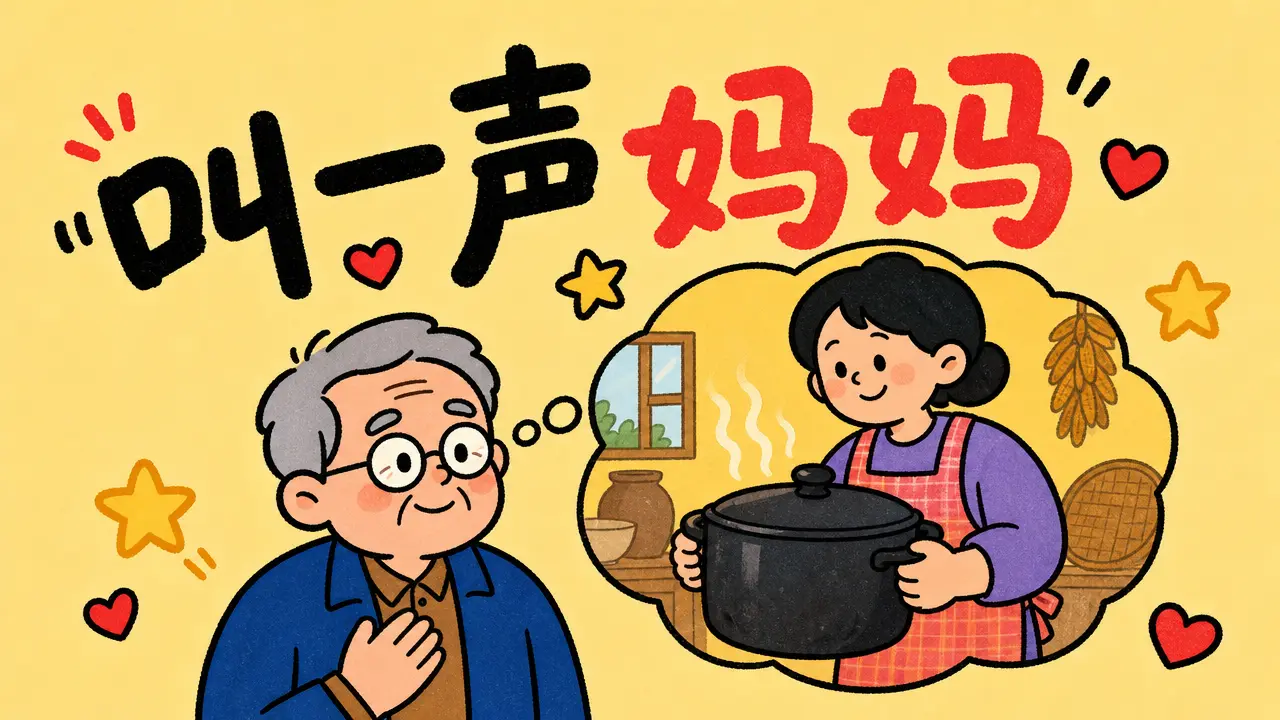
What does the author mean by saying that his mother has "never been far away"?
Mother lives in the author's heart.
Why did the author say his mother was always "not hungry" at mealtimes?
Because there wasn't enough food, she gave it to others.
What did the mother do the morning after that autumn night?
She struggled to get up and cook for the family.
What does the author say is more precious than any wealth that his mother left him?
Toughness and responsibility in facing difficulties.
When the author says "What is my suffering compared to hers?", what attitude does he show?
He thinks his own suffering is not worth complaining about.